As Australian homes evolve to meet the demands of a changing demographic landscape, the intersection of compact living and accessibility has never been more critical. With the median dwelling price surpassing $1 million nationally for the first time in 2025, according to the Australian Bureau of Statistics, and average site areas for new houses shrinking by up to 20% over the past decade, homeowners are increasingly seeking innovative solutions that maximise both space and functionality.
The challenge is particularly acute for Australia’s ageing population. With 52.3% of Australians aged 65 and over living with disability, and approximately 7 in 10 older Australians preferring to receive care in their own homes, the need for accessible housing solutions has reached a critical juncture. Yet remarkably, only 10% of Australian homes are considered “ageing ready” – featuring step-free entryways, ground-floor bedrooms and bathrooms, and basic accessibility features.
The Changing Face of Australian Housing
The Australian housing landscape has undergone a dramatic transformation over the past decade. Research from the University of Wollongong reveals that whilst new homes continue to increase in floor area, with some reaching 84 square metres per person, the actual land they sit on is shrinking considerably. In Greater Brisbane alone, average site areas decreased by 112 square metres between 2012 and 2021, whilst Greater Sydney and Melbourne have seen similar reductions.
This trend towards smaller blocks but larger homes has created what experts call the “densification paradox” – homeowners want more living space but have less land to work with. The ratio of floor-to-site area has increased from 0.49 to 0.56 over the past decade, meaning modern homes are maximising every square metre of available land. For multi-storey townhouses and compact homes, this presents unique challenges when it comes to accessibility and future-proofing for ageing in place.
Townhouses, in particular, have emerged as a popular solution to housing affordability challenges. However, their multi-level design inherently creates accessibility barriers for residents with mobility limitations or those planning to age in place. Traditional stairlifts, whilst helpful, don’t provide the comprehensive accessibility solution that many homeowners seek. They can be aesthetically challenging, limit stair use for other household members, and don’t accommodate wheelchairs effectively.
Understanding the Need for Vertical Mobility Solutions
The statistics paint a compelling picture of why vertical mobility solutions are becoming essential rather than optional. According to the Australian Disability Network, 5.5 million Australians live with disability, representing 21.4% of the population – an increase from 17.7% in 2018. More significantly, the likelihood of living with disability increases dramatically with age, affecting more than half of all Australians aged 65 and over.
For those with mobility challenges, accessing different levels of their home can become a daily struggle. The Survey of Disability, Ageing and Carers found that 39.5% of people with mobility limitations reported difficulties getting in or out of vehicles because of steps – a challenge that extends directly to navigating stairs within their own homes. Additionally, 18.4% of people with disability use aids for mobility tasks, with many requiring modifications to their living spaces to maintain independence.
The financial implications are equally significant. With the average weekly housing costs for mortgage holders reaching $493, and the Australian disabled and elderly assistive device market valued at USD 720.4 million in 2023 and projected to reach USD 1730.9 million by 2030, it’s clear that Australians are investing heavily in solutions that enable them to remain in their homes longer.
Compact Lift Solutions: Bridging the Accessibility Gap
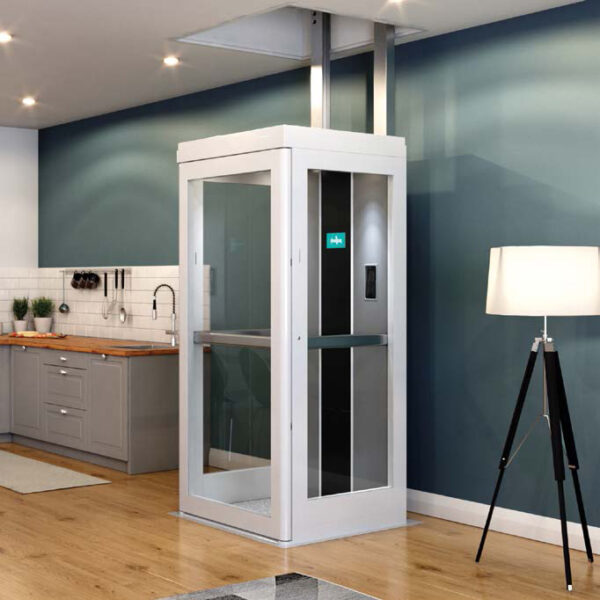
Modern compact home lifts represent a paradigm shift in residential accessibility. Unlike traditional lifts that require extensive shaft construction and significant floor space, today’s compact models can be retrofitted into existing homes with minimal structural modification. These solutions typically require as little as one square metre of floor space – less than a standard wardrobe – whilst providing full wheelchair accessibility between floors.
The technology behind compact lifts has evolved considerably. Hydraulic systems have given way to more efficient screw-drive and vacuum mechanisms that operate quietly, consume less energy, and require minimal maintenance. Some models can be installed in as little as two days, causing minimal disruption to daily life. This is particularly important for older Australians who may find temporary relocation challenging.
For townhouse developments, incorporating lift provisions during the design phase can add tremendous value whilst keeping costs manageable. Pre-planning for lift installation – even if not immediately required – means reinforcing appropriate areas, ensuring adequate electrical supply, and designing spaces that can accommodate future lift installation without major renovation. This forward-thinking approach aligns with the new National Construction Code requirements that came into effect in October 2024, mandating improved accessibility features in new residential constructions.
Benefits Beyond Accessibility
Whilst accessibility remains the primary driver for residential lift installation, the benefits extend far beyond mobility assistance. Property values typically increase by 5-10% when accessibility features are professionally integrated, making compact lifts a sound investment rather than merely an expense. For multi-generational households – an increasingly common arrangement in Australian cities – lifts provide independence for elderly parents whilst maintaining family cohesion.
The safety benefits cannot be overstated. Falls represent one of the leading causes of injury-related hospitalisations among older Australians, with one-third of adults over 65 experiencing a fall each year. Two-thirds of these falls occur in and around the home, making stairs a particular hazard zone. A residential lift eliminates this risk entirely, providing peace of mind for both residents and their families.
Modern compact lifts also offer unexpected lifestyle benefits. They simplify household tasks like moving laundry, groceries, or furniture between floors. For those with temporary injuries or recovering from surgery, a home lift can mean the difference between a comfortable recovery at home versus an extended stay in rehabilitation facilities. Parents with young children appreciate the safety and convenience of moving between floors without navigating stairs whilst carrying infants or managing toddlers.
Design Integration and Aesthetic Considerations
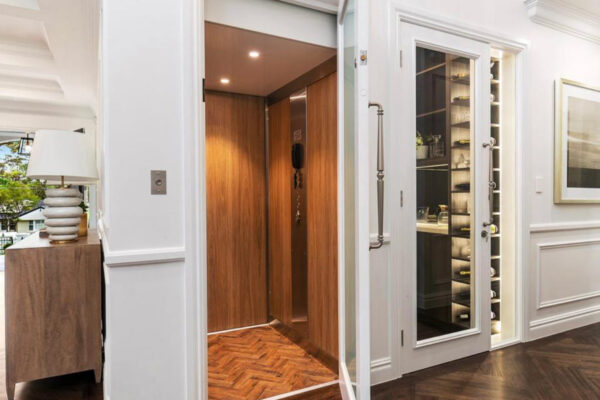
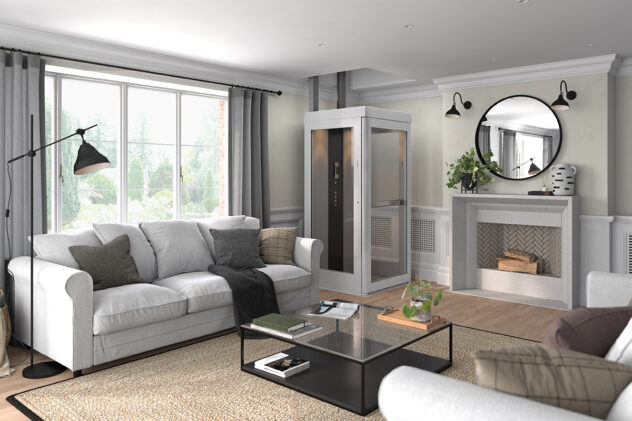
Contemporary compact lifts have shed their institutional appearance in favour of designs that complement modern home aesthetics. Glass panels, customisable finishes, and minimal footprints mean these lifts can enhance rather than detract from a home’s interior design. Some models feature transparent shafts that maintain visual connectivity between floors, preserving the open-plan feel that many homeowners value.
For heritage homes and character properties, sympathetic lift integration has become an art form. Architects and designers are increasingly skilled at incorporating lifts into existing structures whilst preserving original features. In some cases, lifts are cleverly concealed within what appears to be standard cabinetry, revealing themselves only when in use.
The planning approval process for residential lifts has also been streamlined in many councils, particularly where the installation improves accessibility without altering the external appearance of the property. This regulatory evolution reflects growing recognition of the importance of ageing in place and the need for practical accessibility solutions in existing housing stock.
Financial Considerations and Support Options
The cost of installing a compact home lift varies considerably depending on the type of system, the number of floors served, and the complexity of installation. Basic two-stop platform lifts can start from around $30,000, whilst more sophisticated models with custom finishes can exceed $80,000. However, when compared to the cost of residential aged care – which can exceed $100,000 annually – or the expense and disruption of moving to a single-level home, the investment often proves economically sound.
Various funding options exist to support lift installation. The National Disability Insurance Scheme (NDIS) may provide funding for participants who require lifts for accessibility. Home Care Package recipients can potentially allocate funds towards home modifications including lift installation. Additionally, the Commonwealth Home Support Programme offers assistance for minor home modifications, though major installations like lifts typically require alternative funding sources.
Some state governments offer specific grants or interest-free loans for home modifications that improve accessibility. Veterans may access support through the Department of Veterans’ Affairs for medically necessary home modifications. Private health insurance may also contribute to costs where lift installation is deemed medically necessary.
Planning for the Future
As Australia’s population continues to age – with projections suggesting those aged 65 and over will outnumber children by 2034 – the integration of accessibility features in residential design will become increasingly standard rather than the exception. The October 2024 implementation of new building standards requiring improved accessibility in all new residential constructions marks a significant shift in this direction.
For existing homeowners, particularly those in multi-level townhouses or compact homes, the question isn’t whether to consider accessibility modifications, but when and how to implement them most effectively. Early installation, before mobility becomes restricted, allows residents to familiarise themselves with the equipment whilst they’re still physically capable, reducing adjustment stress when the lift becomes necessary.
The compact lift revolution represents more than a technical solution to a mobility challenge; it embodies a fundamental shift in how we conceptualise home design and ageing. By enabling people to remain in familiar surroundings, maintain social connections, and preserve independence, these innovations support not just physical health but mental and emotional wellbeing.
As housing continues to evolve towards smaller footprints and vertical living, compact lift solutions will play an increasingly vital role in ensuring homes remain accessible and liveable for all life stages. The small footprint of these modern mobility solutions truly does create a big impact – transforming houses into lifetime homes and ensuring that the Australian dream of homeownership extends well into our golden years.