
If you have ever caught yourself saying, “I don’t need a lift yet,” you are not alone. It is one of the most common responses we hear from homeowners in their 40s, 50s, and even early 60s when the topic of a residential home lift comes up. The assumption is understandable: lifts are for older people, for those who can no longer manage the stairs, for a future version of yourself that feels very far away.
But here is the thing: the best time to install a home lift is almost never when you desperately need one. It is well before that point. In fact, thinking of a home lift as a reactive solution to a mobility crisis misses the bigger picture entirely. A home lift is a long-term investment in your home, your independence, and your quality of life; and the sooner you consider one, the more value it delivers.
Breaking the Stigma Around Home Lifts
There is a persistent stigma attached to home lifts that frames them as medical equipment, something akin to a wheelchair ramp or a hospital bed. This framing does a real disservice to what modern residential lifts actually are: sleek, compact, and thoughtfully designed additions that enhance the way you use your home every single day.
Think about it this way. Nobody questions the decision to install a second bathroom or upgrade a kitchen. These are improvements that add comfort, functionality, and long-term value. A home lift is no different. It makes moving between floors effortless, whether you are carrying laundry, groceries, luggage, or simply prefer not to climb stairs multiple times a day.
The reality is that Australia’s population is ageing. According to the Australian Institute of Health and Welfare (AIHW), more than 4.2 million Australians were aged 65 and over as of 2020, representing 16% of the total population. That proportion is projected to reach between 21% and 23% by 2066. The demand for accessible homes is not a future problem; it is a present one. And yet, the conversation around home lifts remains stuck in a reactive mindset.
Proactive Installation vs Reactive Retrofit: What Is the Difference?
The distinction between proactive and reactive installation is not just about timing. It affects cost, complexity, design flexibility, and overall satisfaction with the finished result.
Proactive installation means incorporating a lift into your home while you are building, renovating, or simply planning ahead. It allows for seamless integration with your floor plan, optimal placement, and minimal disruption. If you are building a new two-storey home, for example, a lift shaft can be designed into the plans from the outset. The result is a lift that feels like it was always meant to be there, because it was.
Reactive retrofit, on the other hand, is what happens when a lift becomes a sudden necessity. Perhaps a knee injury, a hip replacement, or a gradual decline in mobility forces the issue. At that point, options may be more limited. Structural assessments are required, building works are more complex, and the process can feel rushed and stressful at a time when stress is the last thing you need.
This is not to say that retrofitting a lift into an existing home is a bad option. Quite the opposite. Modern compact lifts are specifically designed for retrofit situations and can be installed with minimal structural changes. However, the experience is far smoother, and typically more cost-effective, when you plan ahead rather than react under pressure.
The Real Cost of Waiting
One of the most common reasons people delay installing a home lift is cost. It is a significant investment, and the logic goes that there is no point spending the money until it is strictly necessary. But this reasoning does not hold up well under scrutiny.
First, consider the cost of a fall. Falls are the leading cause of hospitalised injury among Australians aged 65 and over. The AIHW reports that falls accounted for 77% of all injury hospitalisations in this age group, with the average hospital stay lasting 9.5 days. On a broader scale, treatment of fall-related injuries in older Australians cost over $4.7 billion in 2021-2022. Stairs are a well-documented risk factor, with falls involving stairs and steps showing some of the steepest year-on-year increases in hospitalisation rates.
Second, consider the cost of being forced to move. Many Australians love their homes and their neighbourhoods. Research published in The Conversation found that two-thirds of older Australians strongly prefer to stay in their current neighbourhood as they age. But a two-storey home without a lift can become unliveable if mobility declines. At that point, the choice becomes: retrofit a lift under time pressure, or sell the home and downsize. Neither option is ideal when it could have been avoided with earlier planning.
Third, consider property value. A home lift is a genuine value-adding feature. As the population ages and accessibility becomes a higher priority for buyers, homes that already include a lift will be more attractive on the market. It is an investment that pays for itself in more ways than one.
You Do Not Have to Be “Old” to Benefit from a Lift
The idea that home lifts are only for elderly people is simply outdated. Families with young children use lifts to safely move prams and supplies between floors. People recovering from surgery or sports injuries benefit from avoiding stairs during rehabilitation. Those who work from home appreciate the convenience of effortless movement through their living space.
Even from a pure lifestyle perspective, a home lift makes daily routines easier. No more hauling heavy shopping bags up a flight of stairs. No more worrying about guests who might struggle with steps. No more limiting how you use the upper or lower floors of your own home.
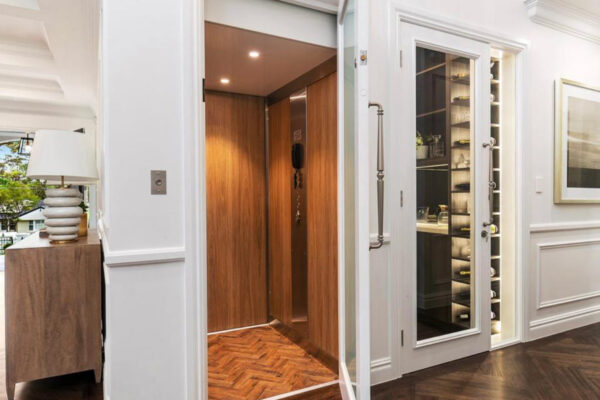
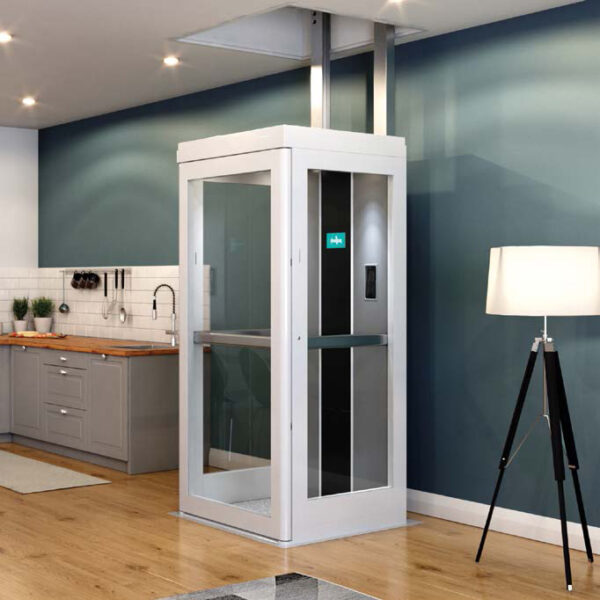
Modern home lifts, such as those designed for existing homes, are compact, quiet, and aesthetically refined. They do not look or feel like medical devices. They integrate into your home as a stylish and practical feature.
When Is the Right Time?
If you are building a new home, the answer is straightforward: now. Including a lift in the design phase is the most cost-effective and architecturally harmonious approach. It is a decision you will never regret, and one that future you will thank you for.
If you are living in an existing two-storey home and you are anywhere from your 40s onwards, it is worth having the conversation sooner rather than later. You do not need to install a lift tomorrow, but understanding your options, getting a sense of costs, and knowing what is involved puts you in a position of control rather than reaction.
If you are renovating, it is the perfect opportunity to include a lift in the scope of works. The building team is already on-site, the plans are already being drawn up, and the additional cost of incorporating a lift at this stage is far less than commissioning a standalone project later.
And if you are noticing that the stairs are starting to feel a little harder than they used to, that is not a sign that you are “old enough” for a lift. It is a sign that the timing is right.
Planning Ahead Is Not Giving In
There is a quiet strength in planning ahead. It is not about admitting defeat or conceding that your best years are behind you. It is about making a smart, forward-thinking decision that protects your independence, preserves your home, and gives you more options, not fewer.
The Australians who install a home lift proactively are not the ones who have given up on mobility. They are the ones who value it so highly that they are unwilling to leave it to chance. They are planning for decades more of comfortable, independent living in the home they love.
The question was never really “Am I old enough for a lift?” The better question is: “Why would I wait?”